
Harnessing the Healing Power of Color Theory for Mood Transformation and Inner Insight

Color surrounds us every day. It influences how we feel, think, and even behave. Understanding color theory and its connection to therapy opens a path to healing through arts and self-discovery. This post explores how different colors affect mood and consciousness, offers practical ways to use color in your home, garden, and baking, and includes a fun color therapy exercise to try at home.

How Colors Influence Mood and Inner Consciousness
Color theory explains how colors interact and the psychological effects they have on people. Each color carries energy that can evoke emotions or reveal aspects of your inner self. This connection makes color a powerful tool in therapy and healing through arts.
Red: Often linked to energy, passion, and action. It can stimulate excitement but may also increase feelings of tension if overused.
Blue: Known for its calming and soothing effects. Blue encourages relaxation and introspection, helping to access deeper thoughts.
Yellow: Associated with happiness and optimism. It can lift spirits and promote creativity but might cause agitation in large amounts.
Green: Symbolizes balance, growth, and renewal. Green fosters harmony and is often used to create peaceful environments.
Purple: Connected to spirituality and intuition. It can inspire creativity and self-awareness.
Orange: Invokes warmth and enthusiasm. It encourages social interaction and positive energy.
White: Represents purity and clarity. It can help clear mental clutter and promote a fresh start.
Research supports the idea that colors impact mood and mental states. For example, a study published in the Journal of Environmental Psychology found that blue environments reduced stress and improved focus, while red increased alertness and heart rate.
Using Color for Healing in Your Home and Garden
Applying color theory in your living spaces can create environments that support your emotional and mental well-being. Here are some practical tips for using color in your home and garden:
Home
Paint a meditation or relaxation room in soft blues or greens to encourage calm and balance.
Use yellow accents in workspaces to boost creativity and energy.
Add purple or lavender textiles in bedrooms to promote restful sleep and spiritual connection.
Avoid overwhelming rooms with too much red or orange if you want to reduce stress.
Garden
Plant flowers with colors that match your mood goals. For example, blue hydrangeas and lavender promote calm, while bright orange marigolds and red tulips energize.
Use colored garden furniture or pots to add emotional balance.
Create a color-themed garden section, such as a "blue garden" with delphiniums and forget-me-nots for peaceful reflection.

Healing Through Arts: Color Therapy Exercise
Engaging with color through art can deepen your connection to your emotions and inner consciousness. Try this simple color therapy exercise:
Materials Needed
Paper or canvas
Paints, colored pencils, or markers in a variety of colors
Quiet space
Steps
Sit quietly and take a few deep breaths to center yourself.
Think about your current mood or an emotion you want to explore.
Choose colors that you feel drawn to or that represent your feelings.
Begin creating abstract shapes or patterns using those colors. Do not worry about form or technique.
After 15-20 minutes, step back and observe your work. Notice which colors dominate and how they make you feel.
Reflect on what the colors might reveal about your inner state or what you need emotionally.
This exercise supports healing through arts by allowing expression without words and can reveal subconscious feelings. For more on color therapy techniques, visit the International Wheel of Color Association.
Baking with Color to Nourish Body and Mind
Color therapy extends to the kitchen, where the colors of food can influence appetite and mood. Baking with colorful ingredients adds a sensory dimension to healing through arts and therapy.
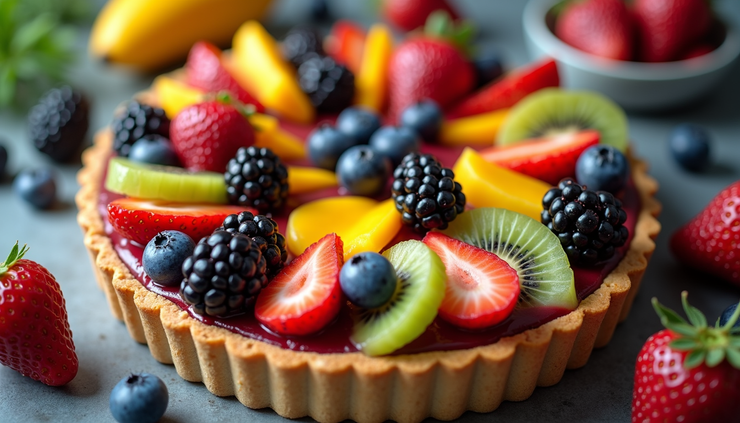
Rainbow Fruit Tart Recipe
This recipe uses natural colors from fruits to create a visually appealing and mood-boosting dessert.
Rainbow Fruit Tart Recipe
Ingredients
For the buttery tart crust
1½ cups all-purpose flour
½ cup powdered sugar
¼ teaspoon sea salt
½ cup unsalted butter, cold and cubed
1 large egg yolk
2 to 3 tablespoons ice water
1 teaspoon pure vanilla extract
For the vanilla cream filling
8 ounces cream cheese, softened
1 cup Greek yogurt or mascarpone cheese
⅓ cup honey or powdered sugar
1 teaspoon vanilla extract
1 teaspoon fresh lemon zest
For the rainbow fruit topping
Red: sliced strawberries, raspberries
Orange: mandarin orange segments
Yellow: diced mango or pineapple
Green: sliced kiwi
Blue: blueberries
Purple: blackberries or halved grapes
Optional glaze
2 tablespoons apricot preserves
1 tablespoon warm water
Instructions
Step 1: Prepare the crust
In a large bowl, whisk together the flour, powdered sugar, and salt.
Cut the cold butter into the flour mixture using a pastry cutter or your fingertips until the mixture resembles coarse crumbs.
Add the egg yolk, vanilla extract, and 2 tablespoons of ice water. Mix until the dough comes together. Add the remaining tablespoon of water if needed.
Shape the dough into a disk, wrap it, and refrigerate for at least 30 minutes.
Preheat your oven to 375°F.
Roll the dough into a 10-inch circle and press it into a tart pan with a removable bottom. Trim any excess dough and prick the bottom with a fork.
Bake for 18 to 22 minutes, or until lightly golden. Allow the crust to cool completely.
Step 2: Make the filling
In a medium bowl, beat the cream cheese, Greek yogurt, honey, vanilla extract, and lemon zest until smooth and creamy.
Spread the filling evenly into the cooled tart shell.
Step 3: Create your rainbow
Starting from the outer edge of the tart, arrange the fruit in colorful concentric circles.
Move through the rainbow one color at a time, allowing yourself to enjoy the process without rushing. Notice how each color makes you feel and let your intuition guide the design.
This step transforms baking into a simple therapeutic art exercise that encourages mindfulness and creativity.
Step 4: Add the finishing touch
Whisk together the apricot preserves and warm water. Brush lightly over the fruit to add shine and help preserve freshness.
Refrigerate the tart for at least 30 minutes before serving.
Bringing Color Theory Into Everyday Wellness
This Rainbow Fruit Tart is more than a dessert. It is a reminder that our homes can become spaces of healing through creativity, nourishment, and intentional design.
Whether you are baking with family, creating a mindful moment for yourself, or exploring the connection between art and emotional wellness, using color intentionally can transform ordinary experiences into meaningful rituals.
The next time you prepare a meal, consider the colors on your plate. A vibrant mix of fruits and vegetables not only provides a variety of nutrients but also creates a visual experience that can elevate mood, spark creativity, and make everyday moments feel a little more joyful.
Bringing Color into Daily Life
Incorporating color theory into your daily routine can enhance your emotional health and self-awareness. Here are some ideas:
Choose clothing colors that reflect or improve your mood.
Use colored lighting or lamps in rooms to create desired atmospheres.
Add colorful art pieces or textiles to your home or garden.
Practice the color therapy art exercise regularly to track emotional changes.
Bake colorful treats to celebrate special moments or lift spirits.
Color is a simple yet powerful tool that connects your external environment with your inner world. By consciously using color in your home, garden, art, and kitchen, you can support healing through arts and therapy in a natural, enjoyable way.
Explore how color influences your life and experiment with these ideas to discover what works best for you. Whether you paint, garden, bake, or simply observe, color offers a path to mood transformation and deeper insight into your inner self.
Disclaimer: This post provides informational content only and is not a substitute for professional medical or psychological advice.
With Love,
Ava-Kathryn Cassano


Comments