
Mediterranean Food: A Flavorful Journey through History, Health, and Recipes

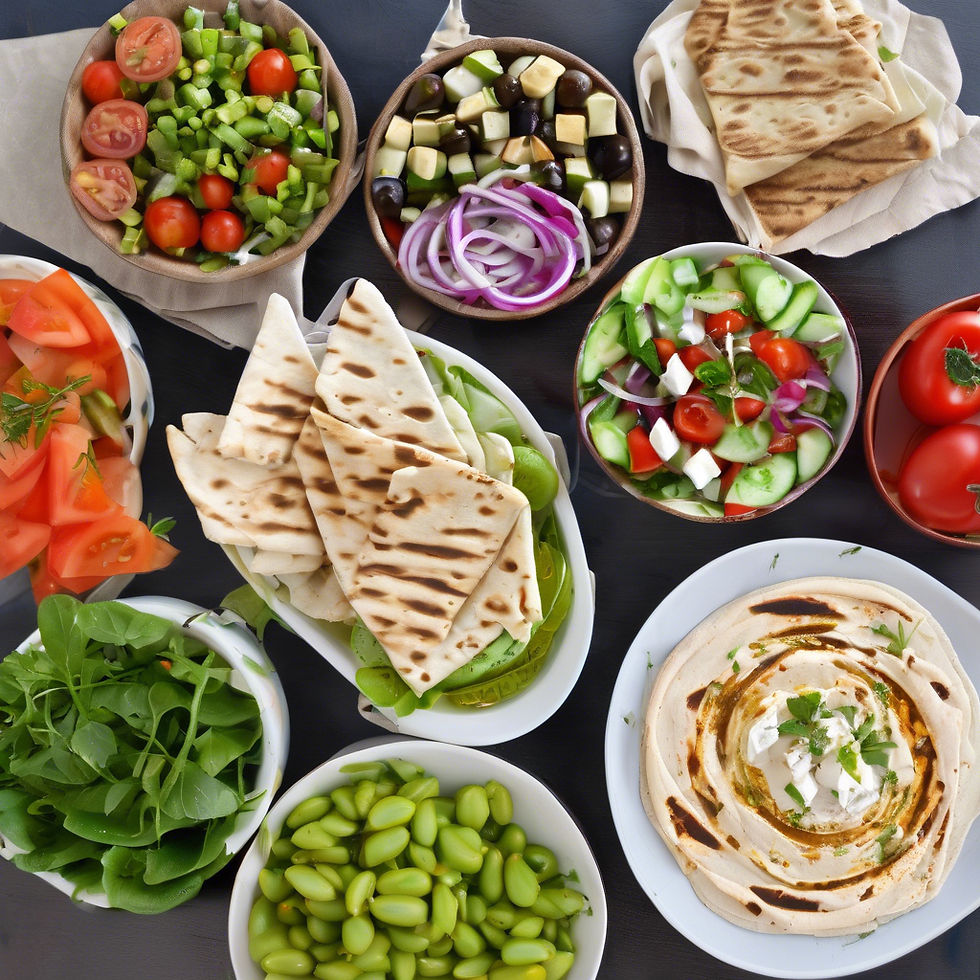
Mediterranean Food: A Flavorful Journey through History, Health, and Recipes
The Mediterranean diet is often celebrated for its rich flavors, vibrant colors, and health benefits. Rooted in the ancient civilizations that surrounded the Mediterranean Sea, this cuisine has been enjoyed for centuries and continues to influence modern culinary trends. Known for its emphasis on fresh, whole foods, healthy fats, and bold flavors, Mediterranean food is not just a diet; it's a lifestyle.
The History of Mediterranean Food
Mediterranean cuisine has been shaped by the diverse cultures that lived along the shores of the Mediterranean Sea, including Greece, Italy, Spain, Morocco, Turkey, Lebanon, and Egypt. Ancient Greek and Roman civilizations, along with the Arabs, Phoenicians, and Moors, all contributed to the unique mix of spices, herbs, and cooking techniques that define Mediterranean food today.
The Mediterranean diet has long been considered the ideal way to eat, not only for its variety and flavor but also for its profound health benefits. It is based on principles that emphasize fresh fruits and vegetables, whole grains, lean proteins like fish, and healthy fats from olive oil and nuts. The inclusion of herbs and spices like basil, oregano, cumin, and coriander, rather than heavy use of salt, gives Mediterranean dishes their distinctive taste.
Health Benefits of Mediterranean Food
The Mediterranean diet is considered one of the healthiest eating patterns in the world, backed by scientific research that supports its positive effects on longevity and overall health. Here are some key health benefits:
1. Heart Health
The Mediterranean diet is rich in healthy fats, particularly from olive oil, which is high in monounsaturated fats. These fats help reduce harmful cholesterol levels and decrease the risk of heart disease. The diet also emphasizes fish, which is rich in omega-3 fatty acids that promote heart health.
2. Weight Management
The Mediterranean diet focuses on fresh, nutrient-dense foods that are lower in calories but high in fiber, helping you feel fuller longer. Studies show that it can aid in weight loss and weight management by improving metabolism and reducing belly fat.
3. Reduced Risk of Chronic Diseases
The Mediterranean diet has been linked to a lower risk of type 2 diabetes, stroke, and certain cancers. The high intake of antioxidant-rich fruits, vegetables, and legumes helps protect against oxidative stress and inflammation, which contribute to many chronic diseases.
4. Improved Brain Health
Research suggests that the Mediterranean diet may help improve cognitive function and reduce the risk of Alzheimer’s disease. The diet's emphasis on healthy fats, antioxidants, and fish rich in omega-3 fatty acids plays a crucial role in maintaining brain health.
5. Digestive Health
The Mediterranean diet is rich in fiber from fruits, vegetables, legumes, and whole grains, which promotes a healthy digestive system. This diet also includes fermented foods like yogurt, which contribute to gut health by supporting a healthy microbiome.
Delicious Mediterranean Recipes to Try at Home
If you’re ready to experience the flavors of the Mediterranean, here are a few simple yet delicious recipes that are both healthy and easy to prepare.
1. Classic Greek Salad
A staple of Mediterranean cuisine, the Greek salad is a refreshing, nutrient-packed dish that showcases the best of fresh vegetables and Mediterranean ingredients.
Ingredients:
2 cups of cherry tomatoes, halved
1 cucumber, sliced
1 red onion, thinly sliced
1 cup of Kalamata olives
1 cup of feta cheese, crumbled or in blocks
1/4 cup extra virgin olive oil
1 tbsp red wine vinegar
1 tsp dried oregano
Salt and pepper to taste
Instructions:
In a large bowl, combine the cherry tomatoes, cucumber, red onion, and Kalamata olives.
Drizzle with olive oil and red wine vinegar, then sprinkle with oregano, salt, and pepper.
Toss to combine, then top with crumbled feta or blocks of feta cheese.
Serve chilled as a side dish or light meal.
2. Grilled Mediterranean Chicken with Tzatziki Sauce
This simple yet flavorful grilled chicken dish is enhanced with a creamy, tangy tzatziki sauce that pairs perfectly with the savory flavors of the chicken.
Ingredients:
4 boneless, skinless chicken breasts
2 tbsp olive oil
2 garlic cloves, minced
1 tsp dried oregano
1 tsp paprika
Juice of 1 lemon
Salt and pepper to taste
For the Tzatziki Sauce:
1 cup Greek yogurt
1 cucumber, grated
1 garlic clove, minced
1 tbsp fresh dill, chopped
1 tbsp lemon juice
Salt and pepper to taste
Instructions:
In a bowl, combine olive oil, garlic, oregano, paprika, lemon juice, salt, and pepper. Coat the chicken breasts in the marinade and refrigerate for at least 30 minutes.
While the chicken marinates, prepare the tzatziki sauce by mixing Greek yogurt, grated cucumber, minced garlic, fresh dill, lemon juice, salt, and pepper in a small bowl.
Preheat your grill or grill pan over medium-high heat. Grill the chicken for 5-7 minutes per side, or until fully cooked.
Serve the chicken with a generous drizzle of tzatziki sauce on top.
3. Mediterranean Chickpea Salad
This vegan-friendly, protein-packed salad is perfect for a quick lunch or light dinner.
Ingredients:
1 can chickpeas, drained and rinsed
1 red bell pepper, diced
1 cucumber, diced
1/4 red onion, finely chopped
1/2 cup cherry tomatoes, halved
1/4 cup Kalamata olives, sliced
1/4 cup fresh parsley, chopped
1/4 cup olive oil
2 tbsp red wine vinegar
1 tbsp lemon juice
Salt and pepper to taste
Instructions:
In a large bowl, combine chickpeas, red bell pepper, cucumber, red onion, cherry tomatoes, Kalamata olives, and parsley.
In a small bowl, whisk together olive oil, red wine vinegar, lemon juice, salt, and pepper.
Pour the dressing over the salad and toss to combine.
Chill in the fridge for 30 minutes before serving for maximum flavor.
Creamy Hummus Recipe
Ingredients:
1 can (15 oz) chickpeas, drained and rinsed (or 1 ½ cups cooked chickpeas)
¼ cup tahini (sesame paste)
2-3 garlic cloves, minced
2 tablespoons fresh lemon juice (about 1 lemon)
2 tablespoons olive oil, plus more for serving
½ teaspoon ground cumin
½ teaspoon salt (or to taste)
2-3 tablespoons water (to adjust consistency)
1 tablespoon fresh parsley, chopped (for garnish)
1 pinch paprika (for garnish, optional)
Instructions:
Prepare the Chickpeas: If you’re using canned chickpeas, drain and rinse them well. For smoother hummus, you can remove the skins of the chickpeas by gently rubbing them with a towel (this step is optional but helps make the hummus extra creamy).
Blend the Base: In a food processor or blender, add the chickpeas, tahini, minced garlic, lemon juice, olive oil, cumin, and salt. Blend until smooth. You may need to scrape down the sides of the bowl a couple of times to ensure everything is well mixed.
Adjust Consistency: If the hummus is too thick, add water 1 tablespoon at a time until you reach your desired consistency. Blend again until smooth and creamy.
Taste and Adjust: Taste the hummus and adjust seasoning to your preference. You can add more salt, garlic, or lemon juice for an extra kick!
Serve: Transfer the hummus to a bowl. Drizzle with a little more olive oil, and garnish with chopped fresh parsley and a sprinkle of paprika.
Enjoy: Serve with fresh vegetables (like cucumber, carrots, or bell peppers), pita bread, or whole-grain crackers for dipping.
Conclusion
Mediterranean food is more than just a collection of delicious dishes; it's a celebration of fresh, wholesome ingredients that promote a healthy lifestyle. From heart-healthy olive oil to nutrient-rich vegetables and lean proteins, the Mediterranean diet offers a variety of flavors and health benefits that are hard to resist. Whether you're looking to improve your heart health, manage your weight, or simply enjoy tasty meals, Mediterranean cuisine has something for everyone. So why not take a culinary journey and try out these recipes today?


Comments